
Why Christian Students Should Study Psychology
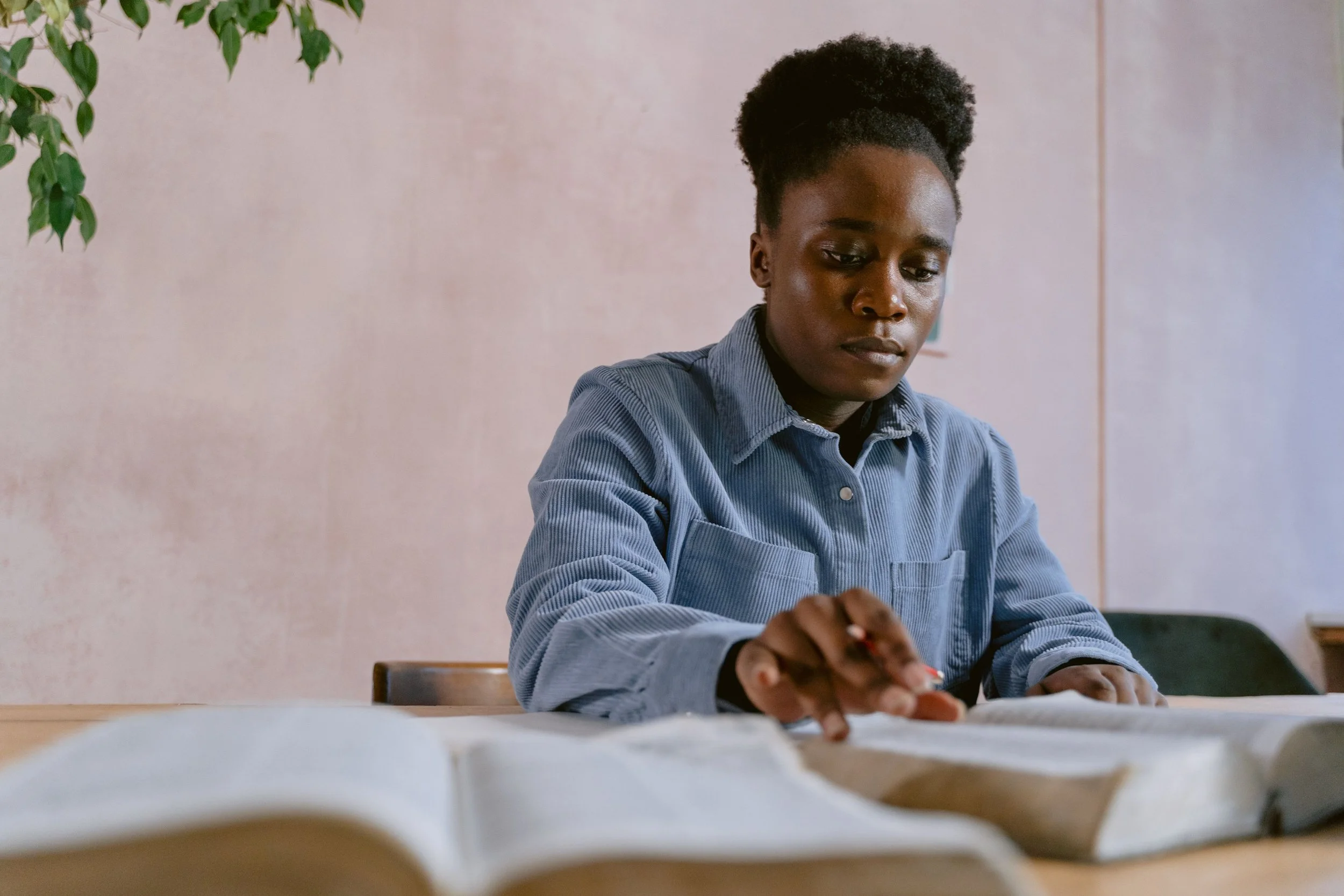
Psychology can give teenagers useful language for understanding memory, emotions, motivation, relationships, stress, habits, and decision-making. But Christian families may also want their teenagers to ask a deeper question: How does what I am learning about human behavior fit with what Scripture teaches about people?
Those two conversations do not have to be enemies.
A teenager can learn how memory works while considering the importance of renewing the mind. Students can study peer pressure while discussing courage and conviction. They can examine identity while considering what it means to understand themselves as people created with God-given dignity.
The goal should not be to attach a Bible verse to every psychological concept. It should be to teach young people to think carefully: What does research tell us? What assumptions are being made? What does Scripture teach? Where do these ideas complement one another, and where should Christians think more critically?
Take-away: Our children will encounter psychological ideas throughout college, social media, relationships, and adult life. Giving them opportunities to examine those ideas thoughtfully before they leave home can prepare them to become wiser consumers of information.
For families who want a structured way to have these conversations, I created Christian Psychology: A 36-Week Curriculum for Homeschool Co-ops, which combines foundational psychology with a biblical worldview, discussion, and practical application.