
Memory and Concentration Improve When Students Stop Rereading
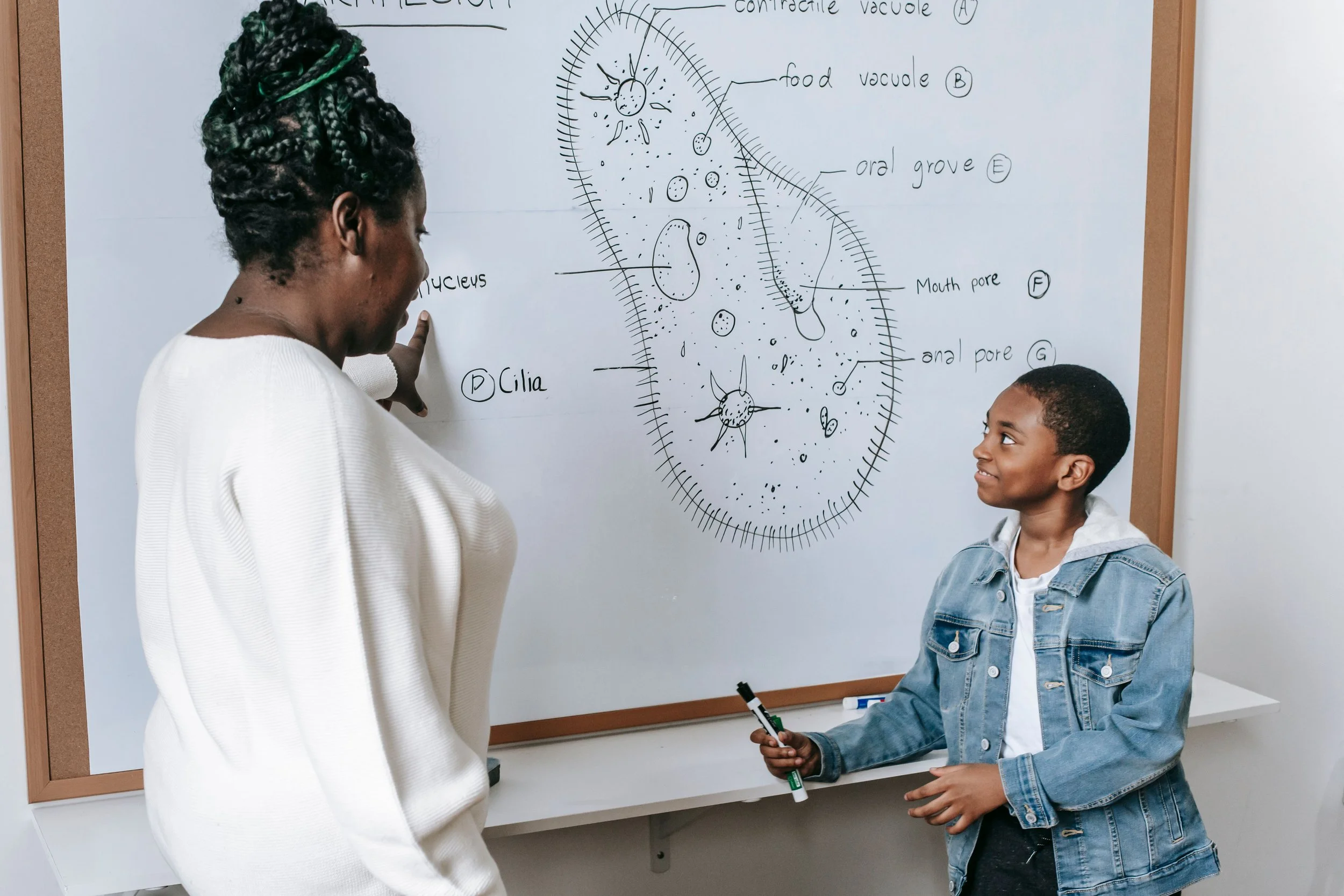
Rereading notes can feel productive because the material becomes familiar. Familiarity, however, is not the same as being able to retrieve information on a test.
After studying a short section, close the book and write everything you remember. Answer practice questions without looking at the notes. Make flashcards that require an answer rather than simple recognition. Explain the concept aloud as though teaching someone younger. Return to difficult material over several days instead of cramming it into one night.
Students should also reduce distractions before blaming themselves for poor concentration. Put one task on the desk. Silence notifications. Decide what "finished" means before starting. Use short, focused work periods when attention is limited.
Good studying is active. The brain strengthens memory when it has to pull information back out, not merely look at it again.
Quick takeaway: Good studying is active. The brain strengthens memory when it has to pull information back out, not merely look at it again.