
Black History Belongs in the Science Curriculum Too
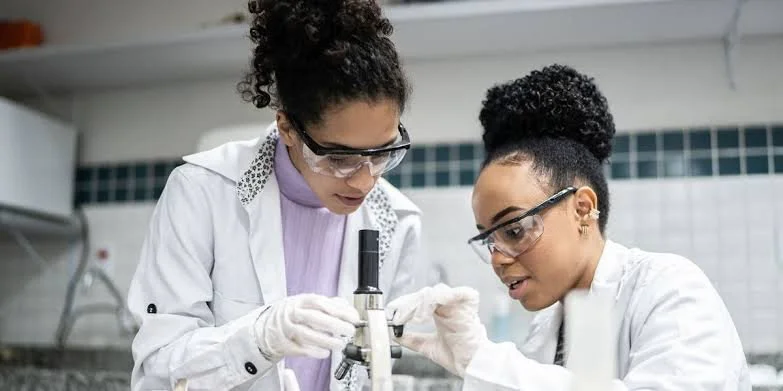
Ask students to name important Black historical figures and they may quickly identify civil rights leaders, athletes, musicians, or political figures.
Now ask them to name Black scientists, physicians, engineers, mathematicians, and inventors.
The list often becomes much shorter.
That is an educational gap worth correcting.
Black history should not be confined to February, and it certainly does not have to be confined to social studies. Science offers wonderful opportunities for students to discover people whose ingenuity changed medicine, agriculture, engineering, mathematics, technology, and everyday life.
Representation matters, but the lesson should go beyond putting a famous person's picture on a worksheet. Let students investigate the science itself. What problem did the person solve? What scientific principles were involved? What barriers existed? How does that contribution affect us today?
Take-away: Don't just tell children that Black people have contributed to STEM. Give them opportunities to investigate the science behind those contributions.
That philosophy is behind my Black STEM Lab, a 24-week program combining experiments and science concepts with the contributions of Black scientists, inventors, engineers, doctors, and mathematicians.